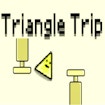
Triangle Trip delivers a nostalgic arcade experience with a fresh twist, inviting players into a world of sharp reflexes, tight timing, and satisfying progression. From the first tap, Triangle Trip makes its purpose clear: this is a game built around precision, speed, and the thrill of mastering simple controls under pressure. Its clean visuals, fast-paced gameplay, and steadily increasing difficulty combine to create an experience that is easy to pick up but hard to put down.
What makes Triangle Trip stand out is how it balances simplicity with intensity. At a glance, the gameplay seems straightforward, but each moment quickly demands focus and consistency. Players must react with accuracy as the challenge ramps up, turning every run into a test of concentration and hand-eye coordination. That sense of constant momentum gives Triangle Trip its addictive edge and keeps players coming back for “just one more try.”
Triangle Trip and Its Arcade Roots
One of the biggest strengths of Triangle Trip is how it channels classic arcade energy without feeling dated. It captures the spirit of old-school score-chasing games while presenting everything in a modern, polished format. The result is an experience that feels familiar to longtime arcade fans but still fresh enough to appeal to a new generation of players.
Arcade games have always thrived on two things: immediate engagement and rising challenge. Triangle Trip embraces both. There is no lengthy learning curve or complicated system to memorize. Instead, the game places players directly into the action, where timing and reflexes matter most. This instant accessibility is part of what makes it so compelling. Anyone can begin playing quickly, but mastering Triangle Trip requires patience, practice, and real skill.
The nostalgic appeal also comes from the game’s structure. Each attempt feels like a compact challenge with clear stakes. Players are encouraged to improve their performance, beat previous scores, and push a little farther with each run. That classic “one more round” feeling is at the heart of Triangle Trip’s design.
Triangle Trip Gameplay: Simple Controls, Serious Challenge
At the center of Triangle Trip is its tap-based gameplay, which is easy to understand but surprisingly demanding in practice. The controls are designed to be intuitive, making the game immediately approachable for casual players. However, the real challenge lies in executing those taps with perfect timing as obstacles appear faster and patterns become more complex.
This is where Triangle Trip shines. It rewards precision rather than brute force, which means every input matters. A mistimed tap can end a strong run, while a well-timed reaction can carry the player through a difficult section. That balance between risk and reward creates tension in every moment and gives the gameplay its addictive rhythm.
As the challenge increases, Triangle Trip pushes players to sharpen their reflexes and develop a better sense of timing. The pace becomes more intense, the obstacles more demanding, and the pressure more noticeable. Yet the game never feels unfair. Instead, it encourages players to learn from mistakes and gradually improve through repetition. That satisfying cycle of failure, adjustment, and progress is one of the main reasons Triangle Trip remains engaging over time.
Triangle Trip Visual Style and Presentation
Triangle Trip uses a clean graphic style that complements its gameplay perfectly. Rather than overwhelming players with cluttered visuals or unnecessary effects, it focuses on clarity and movement. This minimalist approach helps players stay locked in on the action, which is essential in a game that depends on fast reactions.
The visual design also adds to the game’s overall charm. Its polished presentation gives Triangle Trip a modern look, while its arcade-inspired simplicity reinforces the nostalgic feel. Every element appears to serve the gameplay, ensuring that the player’s attention stays where it belongs: on the challenge itself.
In games like this, visual clarity is more than an aesthetic choice. It directly affects the experience. Triangle Trip understands that and uses its graphics to support quick decision-making and smooth gameplay flow. The result is a game that feels crisp, focused, and easy to follow even during the most intense moments.
Why Triangle Trip Is So Addictive
Triangle Trip has the kind of gameplay loop that naturally encourages replayability. Because each run is short, challenging, and score-driven, players are motivated to keep trying until they improve. That repeated attempt structure is part of what makes the game so addictive. There is always the sense that a better run is just around the corner.
The difficulty curve is another major factor. Triangle Trip starts with manageable challenges and gradually raises the stakes, keeping players engaged without overwhelming them too soon. This progression creates a rewarding sense of growth. As players improve, they can feel their reflexes becoming sharper and their timing becoming more precise. That sense of personal improvement is highly motivating.
The game also appeals to players who enjoy skill-based experiences. Unlike games that rely heavily on luck or complex systems, Triangle Trip places success squarely in the player’s hands. Every accomplishment feels earned, which makes progress especially satisfying.
Who Will Enjoy Triangle Trip?
Triangle Trip is a great fit for players who enjoy arcade-style games, reflex challenges, and quick sessions that still feel meaningful. If you like games that test your timing and reward persistence, Triangle Trip offers exactly that kind of experience.
It is also well suited to players who appreciate minimalist design and focused gameplay. Because the controls are easy to learn, newcomers can jump in without feeling intimidated. At the same time, the increasing difficulty provides enough depth to keep experienced players engaged. Whether you are looking for a casual diversion or a serious skill challenge, Triangle Trip offers a balanced experience that can suit both styles.
Fans of tap-based games will likely find Triangle Trip especially appealing. Its mechanics are centered on rapid, accurate inputs, and that creates a strong sense of physical involvement. Every successful move feels responsive, which adds to the excitement and helps the game maintain its momentum.
Conclusion: Triangle Trip Delivers Pure Arcade Excitement
Triangle Trip is a standout arcade challenge that combines nostalgic appeal, clean presentation, and demanding gameplay into one highly engaging package. Its tap-based mechanics are simple to learn but tough to master, making every run feel exciting and rewarding. With its fast pace, precise controls, and escalating obstacles, Triangle Trip offers the kind of experience that keeps players focused and coming back for more.
For anyone who enjoys skill-based arcade games with a modern edge, Triangle Trip is a memorable choice. It captures the essence of classic arcade competition while adding a fresh, polished feel that makes it easy to enjoy in short bursts or extended play sessions. In the end, Triangle Trip succeeds because it understands what makes arcade games fun: clear rules, rising tension, and the satisfaction of improving with every attempt.
Game Tags
arcade game, fast-paced gaming, minimalist design, mobile arcade game, nostalgic arcade, reflex challenge, score chasing game, skill-based games, tap-based gameplay, Triangle Trip